
Key Takeaways
- Comprehending clergy sexual misconduct and its implications.
- The emotional toll and mental effects of clerical abuse.
- The path towards healing and restoration.
- Networks of assistance for those affected.
- Strategies for coping and building strength.
- Promotion and recognition of issues surrounding abuse.
Understanding Clergy Sexual Abuse
Clergy sexual abuse refers to the exploitation of power by religious leaders to perpetrate sexual violence against vulnerable individuals, often within the context of faith communities. Victims of such abuse, particularly those abused by priests, frequently endure not only the trauma of the act itself but also face emotional or psychological abuse that complicates their healing journey. Survivors of clergy abuse often recount the profound impact on their mental and spiritual well-being, making emotional and psychological recovery after clergy sexual abuse a critical aspect of their healing process. Various forms of sexual abuse in the Catholic Church have highlighted systemic issues, leading to a greater need for community support. Organizations like the Survivors Network of those Abused by Priests work tirelessly to advocate for survivors, emphasizing the importance of addressing both the emotional and psychological scars left by these traumatic experiences.
- Recognizing the signs of clergy sexual abuse is crucial for prevention and support of victims.
- Faith communities must establish clear policies and procedures to address allegations of misconduct.
- Education and training for clergy on boundaries and consent can help mitigate risks.
- Encouraging open dialogue within faith communities about sexual abuse can reduce stigma and promote healing.
- Providing accessible resources for survivors, including counseling and legal assistance, is essential.
- Advocacy for accountability within religious institutions can lead to meaningful reforms and prevention efforts.
- Supporting organizations that assist survivors can strengthen community resilience and healing.
Definition and Scope of Clergy Sexual Abuse
Clergy sexual abuse refers to the exploitation of trust and authority by religious leaders through sexual assault or misconduct. This abuse often involves a severe breach of the sacred bond between the clergy member and the victim, leading to profound emotional trauma. Survivors may experience a myriad of consequences, including emotional distress and psychological distress that significantly hinder their ability to form healthy sexual relationships. The effects of child sexual abuse can be particularly devastating, manifesting in issues such as sexual dysfunction and challenges with intimacy in adult relationships.
The scope of clergy sexual abuse extends beyond individual incidents, highlighting systemic failures that often exacerbate the trauma experienced by survivors. Many individuals who were sexually abused in childhood struggle with the long-term repercussions of their experiences, requiring significant emotional and psychological recovery after clergy sexual abuse. Prevention of sexual violence within religious institutions is crucial to protect potential victims and address the root causes of such abuse. Understanding the complexities of these experiences can pave the way for healing and resilience among survivors.
Impact on Victims: Personal Accounts from Clergy Abuse Survivors
Survivors of clergy sexual abuse often recount their experiences with deep emotional and psychological scars. Many describe feelings of betrayal and confusion due to the trusted position held by the clergy member involved. The impact of sexual acts, especially in the context of trusted relationships, complicates emotional health and adds layers to the trauma experienced. Survivors frequently report that their overall emotional well-being suffers, leading to struggles with intimacy and trust not only in relationships but also in their daily lives.
The journey towards emotional and psychological recovery after clergy sexual abuse is profoundly personal and varied among survivors. Some express the need for emotional support to address the long-term effects of abuse, including associations with intimate partner violence and interpersonal violence. Personal accounts highlight that, while the scars may remain, the resilience built through shared experiences and healing can foster a sense of hope. Each survivor's story sheds light on the complexity of coping with the memories of sexual behaviours and physical abuse, illustrating the ongoing path toward reclaiming their lives and emotional stability.
The Emotional and Psychological Impact of Clergy Abuse
Clergy sexual abuse can lead to profound emotional and psychological ramifications for survivors. Many face intense psychological stress stemming from their traumatic experiences, which may manifest as a fear of intimacy in future intimate relationships. Survivors often grapple with emotional detachment, feeling disconnected from their own sexual identity and struggling to process the assaults they endured. Maladaptive coping strategies can develop as individuals work to navigate their trauma, which complicates the path to Emotional and Psychological Recovery After Clergy Sexual Abuse. Recognizing the impact of these assaults is crucial in fostering healthy coping strategies that promote healing and resilience.

Common Emotional Responses to Clergy Abuse
Victims of clergy sexual abuse often experience a myriad of emotional responses that can complicate their journey toward emotional and psychological recovery after clergy sexual abuse. Feelings of betrayal, confusion, and shame are common, as survivors grapple with the violation of trust from those they believed would provide guidance and protection. Such emotional turmoil can manifest in struggles related to sexuality, leading survivors to question their self-worth and relationships. Psychotherapy is crucial in helping these individuals process their feelings and navigate the complexities of their experiences, allowing them to reclaim their identities and find paths to healing.
Survivors also frequently report feelings of anger and isolation, which may stem from the clergy abuse crisis that often leaves them feeling unheard and marginalized. This emotional landscape can severely hinder their ability to advocate for themselves or seek support from others. Engaging with fellow clergy abuse survivors in support groups can provide a sense of belonging and validation, fostering resilience. As they confront psychological abuse and the repercussions of sexual violence, survivors can learn healthier coping mechanisms, ultimately empowering them in their journey to sexual abuse heal and regain control over their lives.
Long-Term Psychological Effects on Survivors
Survivors of sexual abuse often carry emotional and psychological trauma long after the abuse has ceased. The impact of countless clergy abuse incidents can manifest as anxiety, depression, and a pervasive sense of distrust towards authority figures. These feelings can complicate the journey of emotional and psychological recovery after clergy sexual abuse, leading individuals to seek the support of a clergy abuse attorney or engage in sexual abuse advocacy. Each sexual abuse case is unique, but the common threads of psychological distress and the struggle to reclaim one’s narrative are shared among many survivors.
The journey towards healing for sexual assault survivors involves confronting the psychological scars left by their sexual violence experience. Survivors may grapple with feelings of shame and isolation, which can hinder their recovery process. Acknowledging the effects of these traumatic events is vital for initiating the healing journey. Those navigating the aftermath of sexual abuse claims often find that support systems, including therapy and support groups, play a crucial role in addressing the long-term psychological effects. Through ongoing support and resources, survivors can gradually rebuild their lives, reclaiming their sense of agency and hope for the future.
The Journey of Recovery
Emotional and Psychological Recovery After Clergy Sexual Abuse is a complex journey that often requires the guidance of professionals, including sexual assault service providers and sexual abuse attorneys. Many sex abuse victims face significant emotional turmoil following their experiences, leading to the need for dedicated psychological treatment to address trauma. Adult clergy involved in such cases often struggle with the long-term effects of their actions on victims, highlighting the necessity for sex abuse victims to share their stories and seek support. Understanding how sexual violence participants process their trauma can clarify the impact of sexual victimization, which can include feelings of shame and isolation. As survivors navigate their paths toward healing, support groups play a crucial role in normalizing sexual abuse disclosure, empowering individuals to confront their experiences and build resilience against the challenges of recovery.
Stages of Emotional and Psychological Recovery After Clergy Sexual Abuse
The journey of Emotional and Psychological Recovery After Clergy Sexual Abuse begins with recognizing the profound impact of clerical abuse on an individual’s life. Survivors often grapple with emotional and behavioral difficulties stemming from their sexual assault history. These challenges can manifest in various ways, including feelings of mistrust towards clergy members and heightened anxiety in spiritual settings. The psychological responses to such trauma are complex and may include symptoms of PTSD, depression, and even suicidal thoughts, underscoring the need for compassionate support and effective therapeutic interventions.
As survivors navigate their recovery journey, they confront both visible and hidden scars from the trauma experienced in clergy-congregant relationships. Spiritual trauma can further complicate the healing process, leading to a disconnection from faith or feelings of abandonment by their religious community. Recognizing and validating emotional suffering is essential for survivors as they work through their experiences. The acknowledgment of sexual assault disclosure is a crucial step, allowing survivors to voice their pain and begin to reclaim their narratives as they strive towards Emotional and Psychological Recovery After Clergy Sexual Abuse.
Importance of Acknowledging the Clergy Abuse Experience
Acknowledging the experience of clergy sexual abuse is vital for the healing process. Survivors often grapple with profound emotional and psychological effects stemming from such abuse, which can include feelings of shame, betrayal, and spiritual anguish. Many survivors seek emotional assistance to navigate their feelings of psychological harm inflicted by their abusers, which may include clergy members they once trusted. Recognizing the impact of both sexual and non-sexual child abuse is essential in facilitating meaningful discussions about recovery.
Understanding the importance of this acknowledgment contributes significantly to the emotional and psychological recovery after clergy sexual abuse. Emotional support from peers and professionals can play a pivotal role for survivors who face the lingering effects of their initial abuse. Several clergy members have been implicated in these traumatic experiences, highlighting a need for collective awareness and advocacy. By addressing these experiences openly, survivors can find paths toward healing and resilience.
Support Systems for Survivors
Survivors of clergy sexual abuse often face profound emotional and psychological challenges stemming from their traumatic experiences. The psychological impacts can manifest as mental anguish and long-lasting emotional concerns, which are exacerbated by the complexities of abuse-related characteristics unique to clergy-perpetrated child abuse cases. Effective support systems play a crucial role in facilitating emotional and psychological recovery after clergy sexual abuse, helping survivors rebuild their emotional connections and fostering a sense of psychological well-being. Therapeutic interventions and counseling services are vital in addressing the deep-seated psychological impacts and guiding survivors through their healing journey. Furthermore, the responses from churches in these situations often influence the support available to survivors, either aiding in their recovery or adding to the burden of the abusive situation they faced.
Role of Therapy and Counseling in Recovery
Therapy and counseling play a crucial role in the Emotional and Psychological Recovery After Clergy Sexual Abuse. The abuse refers to a betrayal of trust, often leaving profound trauma in its wake. Adult survivors frequently grapple with a range of psychological effects, including sexual identity issues and difficulties in forming healthy relationships. For many, the support of a qualified therapist can help them navigate the complex emotional landscape created by their experiences, providing tools to manage feelings of shame, anger, and confusion. Effective therapy can also address the risk of sexual revictimisation, ensuring that survivors can safely explore their past and change their future.
Counseling offers a safe space for survivors to process feelings and develop healthy coping mechanisms. It is essential for individuals overcoming the psychological mechanisms stemming from their traumatic experiences. In communities like those involving Baltimore clergy, open discussions and therapy can help individuals confront their rape experience and its implications on their lives. Learning to trust again and rebuild one's sense of self is critical in the recovery journey, as effective therapy not only aims to help abuse stops but also fosters resilience and healing among survivors.
Importance of Support Groups for Clergy Abuse Survivors
Support groups play a crucial role in the Emotional and Psychological Recovery After Clergy Sexual Abuse. Survivors of clergy-perpetrated CSA often face unique challenges, including spiritual suffering and feelings of isolation. Engaging with others who have experienced similar violence can provide a sense of community and validation. Conversations within these groups may involve church clergy talk, allowing survivors to express their pain openly. The shared understanding can help individuals confront their past trauma and reduce the risk of future assaults, creating a safe space to heal.
These support systems also facilitate recovery by offering resources like mental health treatment and substance abuse programs tailored for those who have endured penetrative abuse. Survivors learn healthy coping approaches from peers and facilitators, empowering them to rebuild their lives. This exchange of experiences fosters resilience and encourages participants to take active steps toward recovery, transforming their narratives from victimhood to empowerment. Through these connections, survivors can navigate their journey of recovery with renewed strength and hope.
- Provides a safe environment to share experiences without judgment
- Encourages peer support and friendship among survivors
- Offers access to professional resources and guidance
- Facilitates open discussions about faith and healing
- Helps to break the silence and stigma surrounding clergy abuse
- Encourages personal growth and self-advocacy
- Empowers members to reclaim their narratives and find their voices
Coping Mechanisms and Resilience
Survivors of clergy sexual abuse often navigate a complex landscape of emotional and psychological recovery. They may experience intense emotions, ranging from anger to sadness, and may struggle with troubled relationships due to these feelings. It is vital to recognize that while some may turn to negative coping strategies, healthier healing behaviors can promote psychosocial health. Engaging with mental health support systems, including therapy and counseling, can foster resilience. Survivors might explore forgiveness or pursue justice as part of their journey. Understanding the influence of both male and female perpetrators on their experiences can deepen their emotional and psychological recovery after clergy sexual abuse. Research in psychiatric nursing also highlights the significance of intimate support networks that offer a sense of safety and validation.
Healthy Coping Strategies for Survivors
Survivors of clergy sexual abuse often face immense challenges during their Emotional and Psychological Recovery After Clergy Sexual Abuse. To navigate this difficult journey, adopting positive coping strategies can be vital. Engaging in therapy allows individuals to process their experiences and reduce fears of subsequent victimisation. Drawing upon religious teachings can provide a framework for healing, although many survivors may struggle with spiritual crises due to the horrific experience they endured. Building a supportive network can also combat feelings of perceived shame and diminish the effects of hurtful responses from those around them.
Effective coping strategies may include mindfulness practices, journaling, and creative outlets, which help survivors manage their emotional turmoil and foster resilience. An approach-coping strategy that emphasizes self-care and personal growth can aid in overcoming the mental and psychological association with trauma. Support groups, particularly those focused on survivors from catholic dioceses, can be invaluable in creating a sense of community and understanding. By implementing healthy coping strategies, survivors can begin to reclaim their sense of self and work towards a more hopeful future.
Building Resilience After Trauma
Resilience after trauma is critical for many survivors of clergy sexual abuse. Emotional and psychological recovery after clergy sexual abuse often hinges on understanding how trauma impacts interpersonal relationships and overall mental health. Many survivors, regardless of gender, experience profound healing responses that can be both empowering and challenging. The influence of spiritual beliefs can serve as a double-edged sword, offering comfort to some while potentially leading to re-traumatization for others. Understanding these dynamics is essential as survivors navigate their healing journey and attempt to rebuild trust within their religious communities.
Supportive environments play a pivotal role in the recovery of both male and female survivors. Average survivors may find that connecting with others who have similar experiences fosters a sense of solidarity, reducing feelings of isolation. Mental health concepts surrounding trauma and recovery are essential in forming effective coping mechanisms. Developing resilience often requires addressing past abuses and reframing experiences with the support of therapy and community. Acknowledgment of the emotional and psychological recovery process empowers individuals, allowing them to reclaim their narratives and engage in the healing journey without the weight of their perpetrators' actions overshadowing their lives.
Advocacy and Awareness
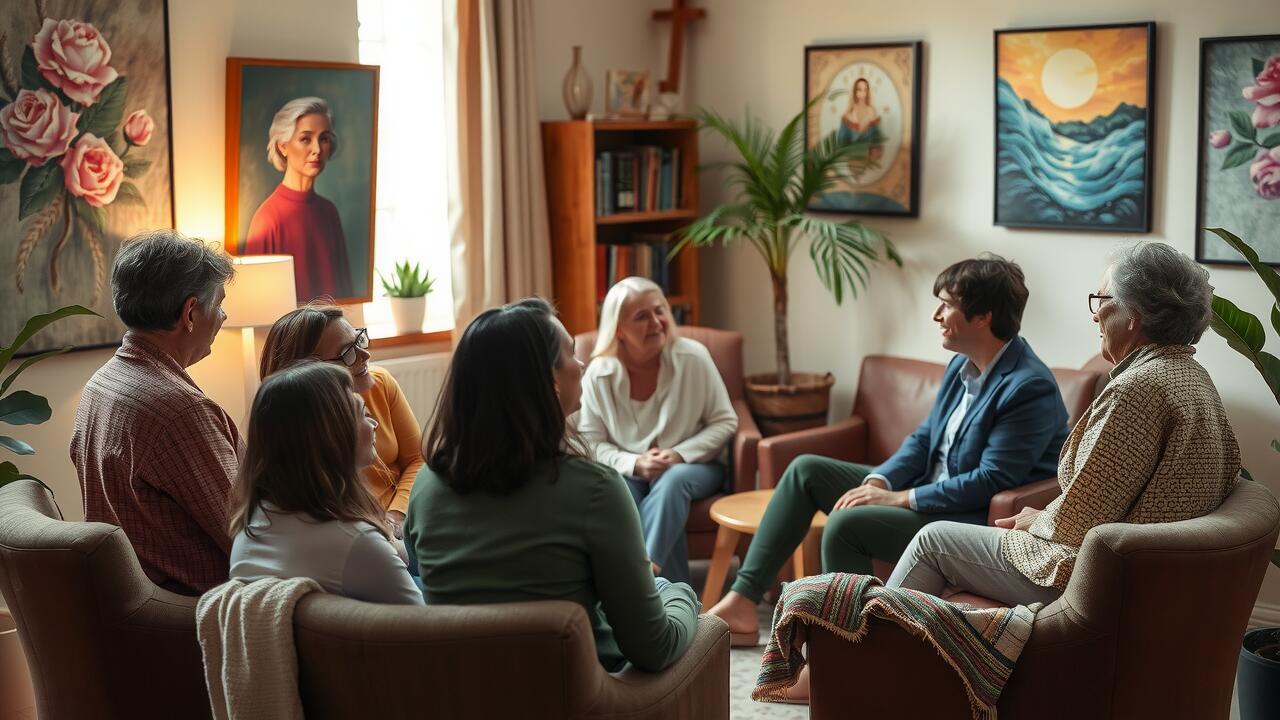
Advocacy and awareness play crucial roles in the emotional and psychological recovery after clergy sexual abuse. Efforts to enhance recovery for survivors must focus on addressing the complexities of their experiences, particularly the torment stemming from violence exposure within religious institutions like Catholic churches. Trust reinforces shame, making it difficult for many survivors to seek help, especially from male intimates. Professional counseling and social work are essential in this journey, as they provide the tools necessary for healing. By supporting thirty-one survivors and reaching out to vulnerable adults, advocacy initiatives can help those who have avoided intimate relationships find the strength to engage with therapists and support groups, ultimately aiding survivors in reclaiming their lives.
Conclusion
The journey toward Emotional and Psychological Recovery After Clergy Sexual Abuse is complex, often requiring a multifaceted approach that recognizes the intentional misconduct involved. Survivors, including high-functioning incest survivors, may grapple with severe emotional turmoil, which can manifest as post-traumatic stress disorder. Addressing the spiritual state of individuals becomes crucial, as many seek healing within their faith communities, including churches. Employing approach-oriented coping strategies helps survivors navigate their unique experiences, allowing for personal growth and resilience. Ultimately, each individual's path to recovery emphasizes the importance of understanding and addressing the deep-seated effects of abuse.
FAQS
What is clergy sexual abuse?
Clergy sexual abuse refers to any inappropriate sexual behavior or misconduct by clergy members towards individuals, often involving a breach of trust and authority.
How can clergy sexual abuse impact victims emotionally?
Victims may experience a range of emotional responses including shame, guilt, anger, depression, anxiety, and confusion, which can significantly affect their mental health and overall well-being.
What are the long-term psychological effects of clergy sexual abuse?
Survivors may face long-term psychological challenges such as post-traumatic stress disorder (PTSD), chronic anxiety or depression, difficulties with trust and relationships, and ongoing feelings of isolation.
What steps are involved in the recovery journey after clergy sexual abuse?
The recovery journey typically includes acknowledging the abuse, processing emotions, seeking therapy and support, developing healthy coping strategies, and gradually rebuilding resilience and trust in oneself and others.
How important are support systems for survivors of clergy sexual abuse?
Support systems, including family, friends, therapy, and support groups, play a crucial role in the recovery process, providing understanding, validation, and a sense of community for survivors.
How can survivors of sexual abuse by clergy achieve emotional and psychological recovery after experiencing clerical sexual abuse?
Survivors of clergy sex abuse often face profound psychological and emotional trauma due to the nature of the abuse, including spiritual abuse and childhood sexual abuse. To achieve recovery, it is essential for these sexual abuse survivors to seek support from advocates who specialize in helping victims of sexual violence. They can benefit from engaging in therapeutic practices that address their emotional/behavioral difficulties and allow for open discussions about their sexual experiences and the impact of the abuse. Community support and proper church responses to sexual abuse cases also play a critical role in facilitating healing and promoting forgiveness or obtaining justice. Engaging with social work or counseling services can aid survivors in coping with the psychological suffering and interpersonal disturbances that may arise from their experiences with abusive clergy.
What steps can individuals take to advocate for survivors of clergy sexual abuse and help them recover emotionally and psychologically from their experiences?
Advocating for survivors of clergy sexual abuse involves listening to their stories, supporting their healing journey, and acknowledging the emotional effects of their trauma. Many sexual assault victims benefit from therapy that helps to describe and process their experiences of sexual violence victimization. It is essential to create safe spaces where discussions about further abuse, sexual victimisation, and the impact of sexual intimacy can occur. Special attention should be given to women survivors, who may have unique challenges. Engaging in social work/counseling and understanding the spiritual influence in their recovery can also play a crucial role. Moreover, promoting knowledge about sexual abuse lawsuits and the importance of forgiveness/obtaining justice can empower individuals to confront their past and heal, allowing for transpersonally—intent healing approaches.
What are some effective approaches for individuals to cope with the emotional and psychological trauma of sexual abuse by clergy and support their recovery journey?
To help individuals coping with emotional and psychological trauma from sexual abuse by clergy, it is essential to understand that each survivor's experience is unique. Survivors of clerical sexual abuse often require tailored support, including therapeutic interventions that address the impact of experienced violence and promote healing. Advocating for survivors of clergy sexual abuse can involve encouraging them to seek psychiatric nursing research options to explore coping strategies that align with their personal healing journey. Additionally, facilitating open discussions about how sexual violence can affect survivors and describing the various forms that such abuse might take can create an empathetic environment for recovery.
What are some common misconceptions about sexual activity and the emotional effects on those who were physically abused by clergy, and how can we better advocate for survivors of clergy sexual abuse?
Many misconceptions exist regarding sexual activity in the context of abuse, especially for those who have been physically abused by clergy. It's crucial to recognize that the emotional effects of such abuse can be profound and long-lasting. To better advocate for survivors of clergy sexual abuse, we must actively support their healing process and create safe spaces for them to share their experiences. Understanding how sexual violence can heal through proper therapy and support is essential in helping individual victims cope and recover. Additionally, utilizing appropriate approaches to coping with their trauma can empower survivors, ensuring they receive the care and understanding they require.
How can we effectively describe the journey of healing for survivors of sexual violence after experiencing abuse, and what approaches can be utilized to support their recovery?
Survivors of sexual violence require a multifaceted approach to heal from their experiences, as the trauma of abuse can deeply affect their emotional and psychological well-being. It's essential to create safe spaces where individuals can openly describe their feelings and experiences. Healing often includes coping strategies such as therapy, support groups, and mindfulness practices. These approaches help address the impact of sexual violence and foster resilience, allowing survivors to reclaim their intimate relationships and effectively navigate their recovery journey.
How can we describe the healing process for survivors of sexual violence and what approaches can help them cope with the emotional impact of abusive experiences?
The healing process for survivors of sexual violence requires a multifaceted approach that emphasizes emotional support and coping strategies. It is important to understand that the survivor's journey may include describing their experiences and feelings, which can be vital for healing. Various approaches, such as therapy and support groups, can help survivors cope with the trauma associated with abuse and foster an environment where they can feel safe and supported in navigating their recovery.
What approaches can be utilized to help individuals heal from the emotional impacts of sexual violence and adequately describe the healing process they undergo?
Survivors of sexual violence often require tailored approaches to cope with the emotional challenges they face. It's essential to provide a safe space for them to share their experiences and emotions, allowing for healing to take place. Various coping strategies such as therapy, support groups, and creative expression can be effective. As we help these individuals describe their feelings and experiences, we enable them to navigate their journey towards healing and reclaim a sense of intimacy that may have been disrupted by the abuse.
What are some effective strategies to help individuals heal from the emotional impacts of sexual violence and adequately describe the healing process they undergo?
To help individuals heal from the emotional impacts of sexual violence, it is essential to use a trauma-informed approach that includes therapy, support groups, and self-care practices. Survivors often require a safe space to share their experiences, and it is important to create an environment where they can describe their feelings and progress. Coping strategies may include mindfulness, art therapy, and establishing a support network. Addressing feelings related to sexual violence can also involve exploring complex relationships, such as those with intimate parents, and understanding how these dynamics may influence their healing journey.
How can we better understand the healing process and approaches to cope with sexual violence to support survivors who require intimate care after experiencing abuse?
To effectively support survivors dealing with sexual violence, it is essential to describe their healing journey through various approaches. Survivors often need a comprehensive understanding of how to heal from the emotional impacts of abuse and require consent-driven, intimate care that respects their autonomy. Effective coping strategies, such as therapy, support groups, and self-care practices, help in navigating the complexities of their emotional landscape and promote recovery from sexual violence.
How can a parent best support their child in recovering from the emotional trauma of sexual violence, and what strategies can be employed to describe their healing process while it requires intimate understanding?
A parent can support their child recovering from sexual violence by creating a safe environment where their feelings can be openly expressed. It's essential to listen actively and validate their emotions. Describing the healing process involves acknowledging the complexities of recovery and implementing approaches that focus on coping strategies, such as therapy, support groups, and open communication. It's vital to recognize that recovery from abuse requires an intimate understanding of the child's needs and unique experiences, ensuring they feel supported and cared for as they navigate their journey to heal from sexual violence.